What Is RV Rental Insurance?
RV rental insurance is short-term coverage for specific losses during a booked rental period. It may include liability for injuries or property damage to others, plus physical damage to the rented motorhome or trailer. Temporary RV insurance and episodic coverage describe coverage tied to a particular trip rather than a year-round personal policy.
A rental protection plan can serve a similar purpose, but it may not be an insurance policy. Depending on the provider, it could be a contractual damage waiver or a package of insurance and assistance benefits. The name alone does not establish what is covered.
Insurance vs. protection plan vs. security deposit
- Insurance or protection plan: Responds only to covered events, subject to limits, exclusions, authorized-driver rules, and claim procedures.
- Deductible: The amount you pay toward a covered claim. If covered damage is $4,000 and the deductible is $1,500, you may owe $1,500.
- Security deposit: Separate money held or authorized for possible damage, cleaning, fuel, late return, or other permitted charges. It may be refundable after inspection.
Confirm the current policy wording, deductible, coverage limits, exclusions, deposit terms, and claims process directly with the provider before booking.
What Does RV Rental Insurance Cover?
Liability, collision and comprehensive coverage compared
Coverage varies by provider, plan, RV type, and location. Review the policy wording rather than relying on a benefit label.
| Coverage | What it may cover | Common gaps to check |
|---|---|---|
| Liability | Injuries or property damage you cause to other people | Coverage limits, excluded drivers, prohibited use, and damage to the rented RV |
| Collision | Damage to the rented RV from a crash or rollover | Deductible, roof or undercarriage damage, tire damage, and improper driving |
| Comprehensive | Non-collision losses such as theft, fire, vandalism, hail, or falling objects | Personal belongings, negligence, unsecured keys, and weather exclusions |
| Physical damage | A broader label that may combine collision and comprehensive protection | Interior damage, awnings, mechanical failure, and normal wear |
| Personal property | Theft of or damage to eligible belongings inside the RV | Per-item limits, proof of ownership, unattended property, and electronics |
| Roadside assistance | Towing, jump-starts, lockout service, or tire help | Distance limits, labor limits, replacement parts, and off-road locations |
Liability may be primary coverage, meaning it responds first, or excess coverage, meaning another applicable policy must respond before the rental plan pays. Ask the provider which arrangement applies and whether state minimums or higher limits are included.
Personal property and roadside assistance
Personal property coverage may protect clothing, camping equipment, and other belongings, but benefit limits can be much lower than the value of everything packed. Homeowners or renters insurance may offer separate coverage away from home, subject to its own deductible and exclusions.
Roadside assistance is a service benefit, not a promise that every breakdown cost is covered. Towing might be limited to a certain distance, while tires, fuel, batteries, repairs, or recovery from an unpaved road could remain your responsibility.
How deductibles and limits affect your risk
Suppose covered collision damage totals $12,000, the plan limit is $10,000, and the deductible is $1,500. You could owe the $1,500 deductible plus $2,000 above the limit. Any excluded damage could add more.
Before booking, confirm the deductible, each coverage limit, primary or excess status, exclusions, authorized drivers, and claim procedures directly with the provider.
How Much Does RV Rental Insurance Cost?
For arithmetic, this guide uses $15-$30 per day as a manually maintained editorial planning band reviewed in July 2026. It is not a verified market average, insurer sample or live offer. Actual pricing depends on the owner or fleet, RV type, rental location, trip length, selected coverage, deductible and coverage limits.
From nightly rate to all-in trip cost
The advertised nightly rate is only the starting point. Applying this editorial band to seven days produces a $105-$210 hypothetical planning scenario before other charges. Replace both inputs with the current itemized insurance or protection-plan price.
Review the itemized quote for:
- Base nightly rate and minimum rental period
- Insurance or rental protection plan
- Included mileage and per-mile overage charges
- Included generator hours and hourly overages
- Taxes and booking or service charges
- Cleaning, pet, dumping, or refueling charges
- Delivery and setup charges for a stationary campsite rental
- Optional equipment or roadside assistance
Use the RV rental cost calculator to estimate the full trip, then compare the result with the RV rental cost guide. Mileage can materially change the total. For example, a 1,200-mile route with a 700-mile allowance leaves 500 potentially billable miles, but the provider’s current rate determines the actual charge.
Security deposits and other amounts due
A provider may place an authorization hold on your card or collect a security deposit before pickup or delivery. This deposit is separate from the insurance deductible. The deductible is your share of a covered claim, while the deposit may be applied to damage, excess mileage, generator use, cleaning, missing equipment, fuel, or late-return charges permitted by the agreement.
A refundable deposit may not be released until the RV is inspected and outstanding charges are calculated. Bank processing can also affect when available funds reappear.
Before booking, ask the provider for the current itemized quote, payment schedule, protection-plan terms, deductible, deposit amount, release process, and every potential charge. Prices and policies vary by owner, fleet, RV type, and location.
Coverage Needs by RV Type and Rental Setup
Class A, Class B and Class C motorhomes
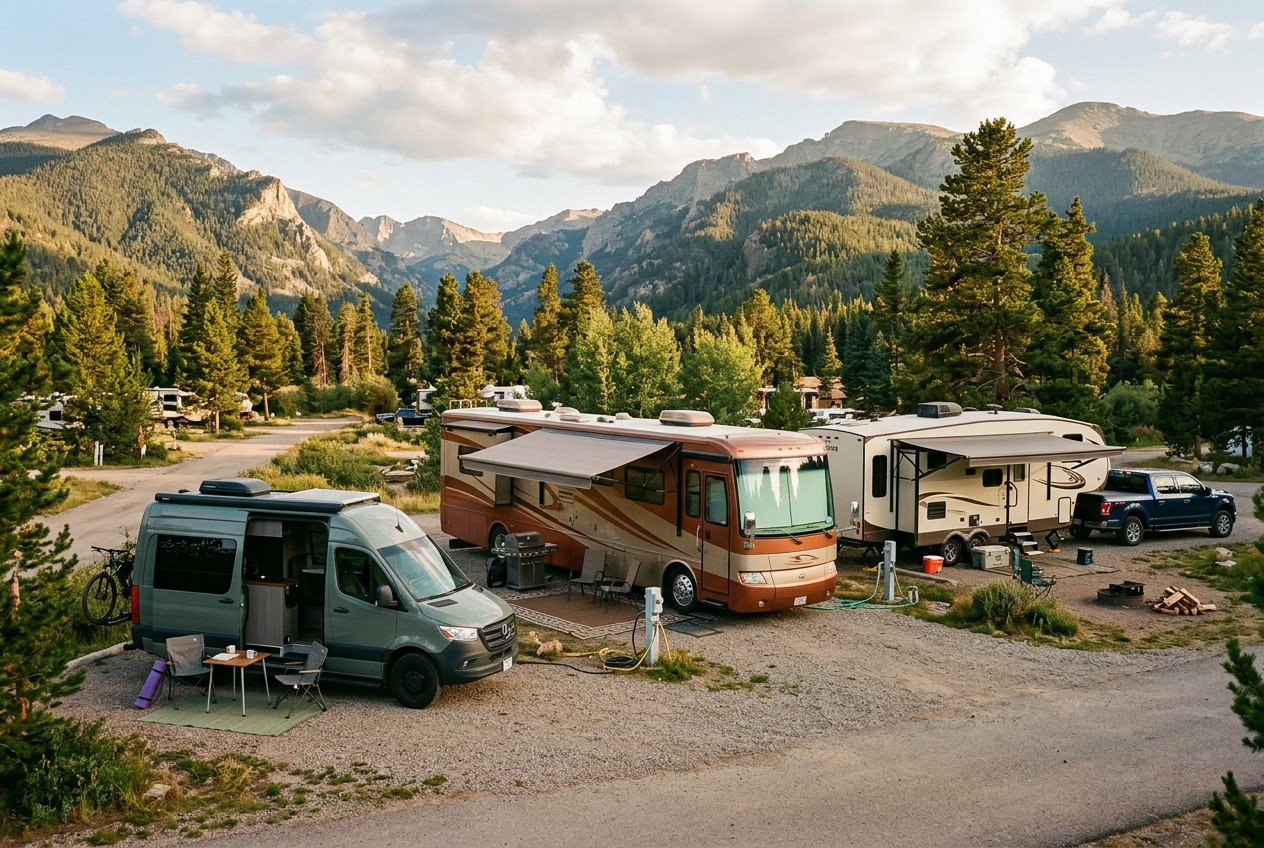
Motorized RVs require coverage for driving liability and damage to the rental itself, but risk varies by size and value.
- A Class A motorhome resembles a bus. Its length, height, wide turns, and expensive body components can increase damage exposure.
- A Class B camper van is van-sized and generally easier to maneuver, but roof equipment and limited clearance still matter.
- A Class C motorhome has a truck cab with a living area above it. Renters should watch for roof, overhang, and rear-corner damage.
Ask about minimum driver age, license requirements, vehicle-value restrictions, deductibles, and coverage limits. Every person who may drive should be listed as an authorized driver.
Travel trailers and tow vehicle insurance
A travel trailer is towed rather than driven. Your tow vehicle policy may address liability while the trailer is attached, but it might not cover collision, theft, interior damage, or damage to the rented trailer.
Confirm with both the rental provider and your personal auto insurer:
- Whether your vehicle and hitch are approved for the trailer’s loaded weight
- Who covers liability while towing
- Which plan covers physical damage to the trailer
- Whether sway, improper hitching, tire, roof, or undercarriage damage is excluded
- Whether every driver of the tow vehicle is authorized
Obtain written confirmation when possible.
Delivered RV rentals
With a delivered RV rental, the provider transports and sets up the unit at a campsite. You may avoid driving risk, but responsibility can still shift during delivery, setup, occupancy, and pickup. Ask who covers campsite damage, awnings, utilities, interior damage, weather events, and injuries around the unit.
Compare options through the RV Rental Compass directory and relevant city and state pages. Before booking, confirm the provider’s current itemized quote, policy wording, deductible, refundable deposit, authorized use, coverage period, and claims terms. Prices and policies vary by owner, fleet, and location.
Coverage Gaps and Policy Exclusions to Check
Damage and breakdown exclusions
Collision or comprehensive coverage does not pay for every type of RV damage. Review the policy for exclusions involving:
- Interior stains, burns, broken fixtures, and pet damage
- Awnings left open during wind or rain
- Roof, overhead, tire, wheel, and undercarriage damage
- Normal wear, gradual leaks, and pre-existing damage
- Mechanical failure unrelated to a covered accident
- Personal belongings inside the RV
Roadside assistance may arrange towing or a jump-start without paying for replacement tires, parts, labor, or off-road recovery. Personal property may require separate homeowners, renters, or travel insurance coverage.
Driver and usage restrictions
Coverage can be denied if someone who is not an authorized driver operates the RV. Other common restrictions include unpaved or prohibited roads, racing, commercial use, improper towing, excluded destinations, and travel outside an approved itinerary.
For a travel trailer, improper hitching, exceeding tow ratings, or using an unapproved tow vehicle may create significant uncovered exposure. Late returns and unapproved trip extensions can also place driving or occupancy outside the covered period.
Check every driver’s status and obtain written approval before changing the route, destination, tow vehicle, return time, or rental dates.
When coverage starts and ends
Do not assume coverage begins when you arrive or continues until the RV is inspected. Confirm the exact effective date and time, when custody transfers, and who is responsible during pickup, loading, delivery, setup, return, and post-return inspection.
For a delivered RV, ask whether the provider retains responsibility while transporting and setting up the unit, and when the renter becomes responsible for campsite or interior damage. If plans change, request written approval for any extension before the original return deadline.
Before booking, confirm the current policy wording, exclusions, coverage limits, deductible, refundable deposit terms, and claims process directly with the provider. These terms vary by owner, fleet, RV type, and location.
How to Verify Coverage Before Booking
Questions for the rental provider
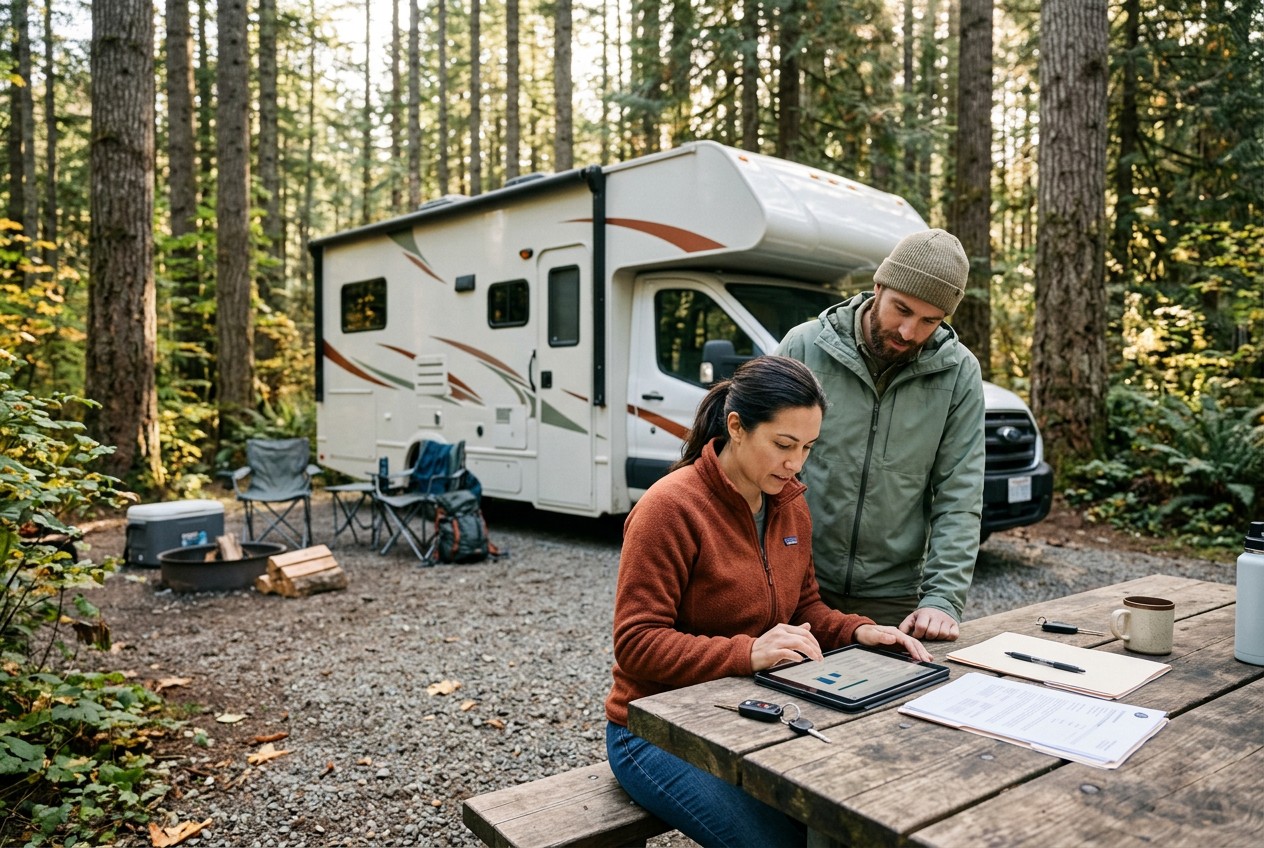
- Request the current policy or protection-plan wording before paying. Identify the insurer or plan administrator and confirm whether coverage is primary or excess.
- Verify that every intended driver is authorized. Ask about license, age, RV-type, and driving-record restrictions.
- Record the liability and physical-damage limits, deductible, exclusions, and exact coverage start and end times.
- Ask how roadside assistance works, including towing-distance limits, tire service, off-road recovery, and expenses you may need to pay upfront.
- Review the claims process. Confirm reporting deadlines, required documents, emergency contacts, and how a claim could affect the refundable security deposit.
- Obtain an itemized rental quote showing the nightly rate, protection plan, mileage allowance, generator hours, taxes, cleaning, delivery, setup, and other disclosed charges.
Questions for your insurers and credit card issuer
- Give your personal auto insurer the exact rental type. Coverage may differ for a Class A motorhome, Class B camper van, Class C motorhome, or travel trailer. For a trailer, ask separately about towing liability and physical damage.
- Ask your homeowners or renters insurer whether belongings are covered away from home, and confirm the deductible, limits, and exclusions for theft from an RV.
- Contact the credit card issuer before relying on rental benefits. Many programs exclude RVs, trailers, oversized vehicles, high-value vehicles, or rentals exceeding a specified length.
- Request written confirmation whenever possible. Compare each policy with the provider’s terms, then resolve gaps before booking. Coverage, prices, and requirements vary by owner, fleet, card, policy, and location.
What to Do at Pickup, Return and After a Loss
Document the RV’s condition
- Take time-stamped photos or video of every side, the roofline, tires, windshield, awning, interior, appliances, and campsite hookups.
- Record odometer mileage, fuel or charge level, generator hours, and tank readings.
- Test lights, brakes, climate controls, plumbing, slides, and safety equipment.
- Mark existing damage on the condition report and keep signed copies from both pickup and return.
Respond to an accident, theft or campsite damage
- Move to safety. Call 911 for injuries, fire, immediate danger, or another active emergency; report non-emergency theft through the appropriate local non-emergency channel.
- Obtain a police or campsite incident report when appropriate.
- Notify the rental provider, protection-plan administrator, and applicable insurer promptly using their required contacts.
- Collect witness names, third-party insurance details, photos, repair or towing receipts, and relevant messages.
- Exchange and report all information required by local law and the rental agreement. Avoid speculating about fault, and do not authorize repairs unless the provider or insurer directs you to do so.
Prompt reporting and complete evidence can affect claim handling and refundable security-deposit review. Retain all records until the provider confirms the account is closed.
RV Rental Insurance FAQ
How much is RV rental insurance, and is it required?
This guide’s manually maintained editorial planning band is $15-$30 per day, reviewed in July 2026; it is not a verified average or quote. Some coverage may be legally or contractually required, while upgraded protection and roadside assistance may be optional. Confirm current requirements, policy wording and price with the provider.
Does GEICO or Progressive cover a rental RV?
Coverage depends on your policy, endorsements, RV type, and intended use. Motorhomes and travel trailers may be treated differently. Ask your insurer directly and request written confirmation before relying on personal auto insurance.
What are the drawbacks of renting an RV?
Potential drawbacks include insurance costs, deductibles, refundable deposits, mileage and generator charges, driving or towing complexity, exclusions, and responsibility for uncovered damage.
Before booking, verify the itemized quote, coverage documents, limits, exclusions, deductible, deposit terms, and claims process.
This article provides general educational information and is not legal, insurance, or financial advice. Coverage, exclusions, required limits, and post-accident duties vary by policy, rental agreement, vehicle type, and jurisdiction; verify the current terms with the rental provider, insurer, and relevant authorities before booking or driving.
Safety: Towing and operating an RV require an appropriately rated vehicle and equipment. Verify weight limits, hitch setup, safety chains, trailer brakes, lights, tires, and all manufacturer requirements, and obtain qualified assistance if you are not experienced.
Emergency reporting: Call 911 only for injuries, fire, immediate danger, or another active emergency. Report non-emergency theft or property damage through the appropriate local non-emergency channel.
Sources and verification
- NAIC state insurance department directory links to official state insurance regulators for insurer, producer and policy questions.
- FTC guidance on renting a car explains general consumer checks for rental coverage and charges; its direct scope is rental cars, so it does not establish RV coverage.
- USA.gov state motor vehicle services links to official state agencies for licensing and vehicle-rule questions.
These sources support the insurance-regulator, rental-comparison and state-rule context above. They do not confirm that a personal, card, platform or provider policy covers a particular RV and do not validate any rate, fee, vehicle, provider, availability, protection plan or specific policy; obtain written confirmation directly.